What is the medical kit assembly service?
How can you use assembly outsourcing in your business?
Assembly, or assembling, involves joining multiple individual components into a cohesive whole.
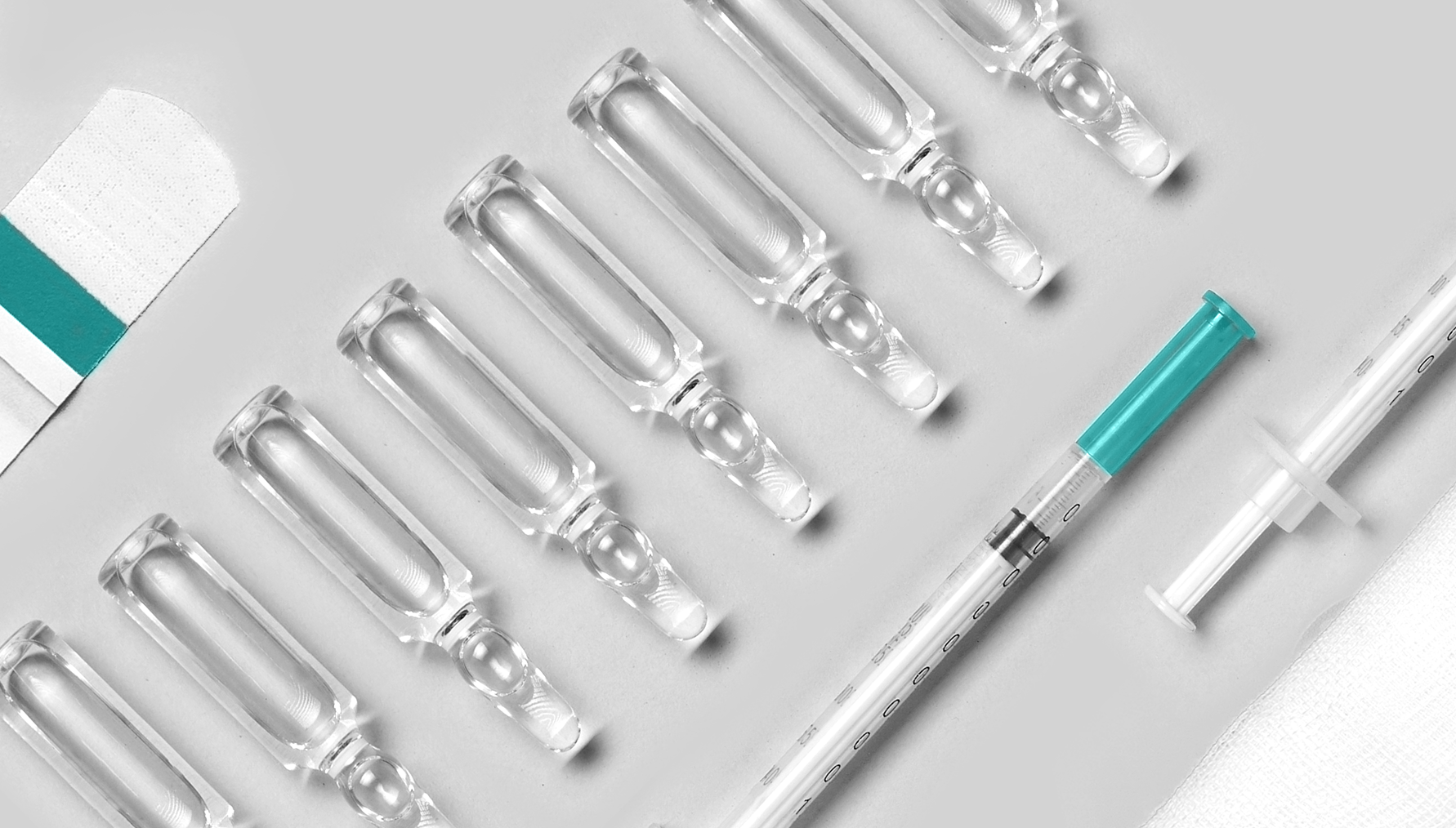
In the pharmaceutical industry, this is a meticulous process where various components—such as medicinal products in syringes, medical devices in sticks, patches, lancets, disinfecting wipes, packaging, and leaflets—are combined to create a comprehensive, market-ready product. Assembling can encompass various stages, such as kitting, packaging, and labeling.
The service of preparing and packaging medical kits in the pharmaceutical sector can also involve putting together product bundles used for promotional or sales purposes. These kits may contain diverse products, including drugs, dietary supplements, cosmetics, or medical devices. This service is designed for manufacturers and distributors of medical and pharmaceutical products who want to offer their clients ready-to-use product bundles. Such kits can serve as elements of advertising campaigns or package sales, increasing their appeal to consumers.
How does the assembling process work at Prespack?
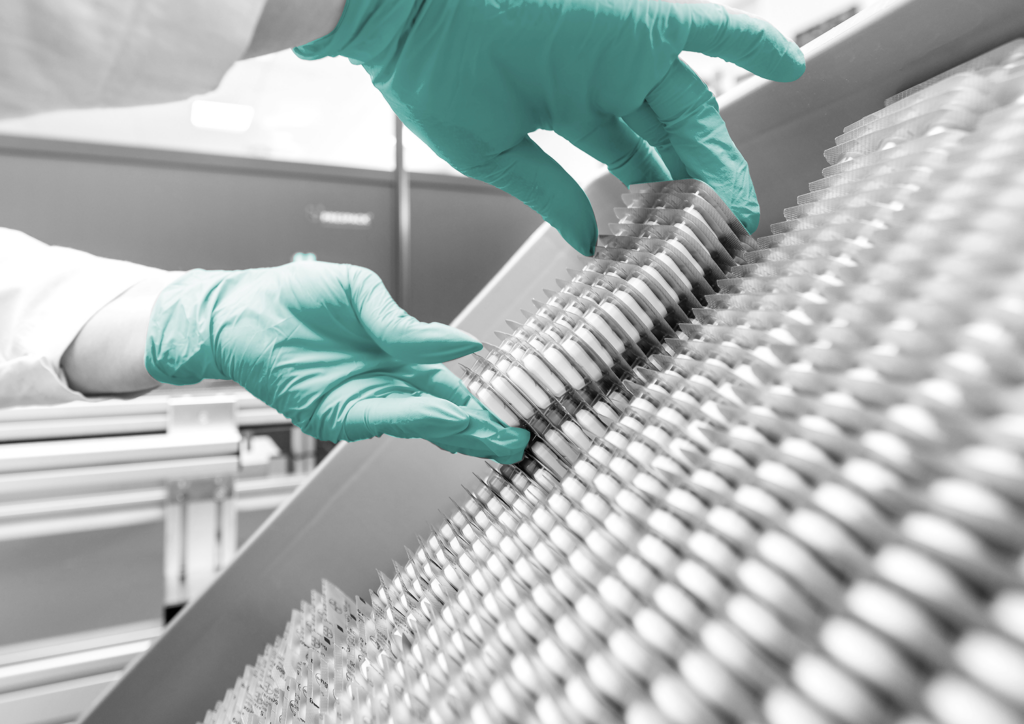
As mentioned earlier, assembly can comprise many different operations that make up the entire process. Typically, clients supply the components, while we comprehensively handle the subsequent stages of the process, providing packaging and leaflets as well as assembling all elements into a complete kit. Below are several examples illustrating how this service works in practice.
- Lyme disease tick test kits:
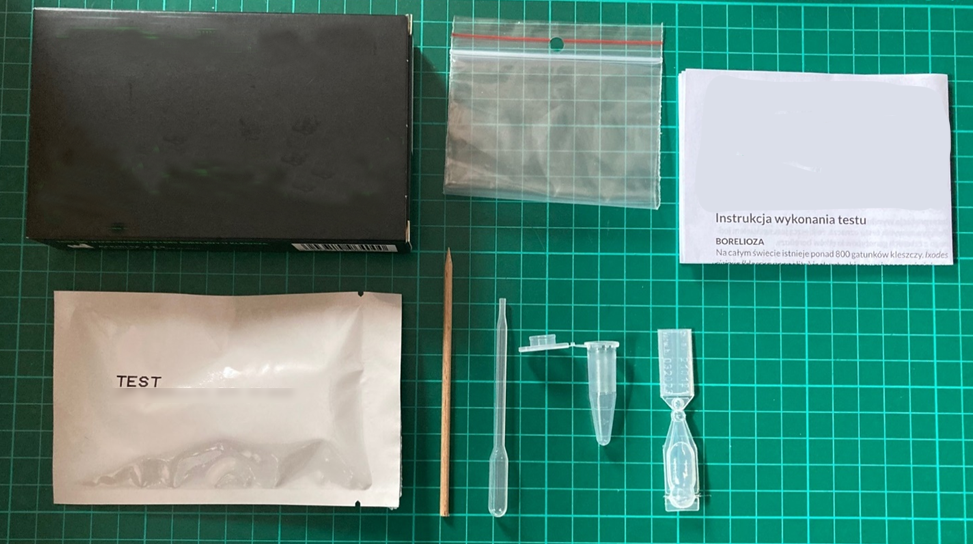
The assembly service in this case involves packing the following into a unit carton: a test sachet, a reagent dropper, a wooden stick, a pipette, a capped test tube, a zip-lock bag, and an information leaflet. This creates a ready-to-sell product.
- Vitamin D blood sample collection kits:
For one of our clients, we prepared blood sample collection kits for vitamin D testing. Our tasks included printing data onto unit labels, sticking labels onto foil bags, separating components supplied in bulk (in this case, blood sample cards and cellulose swabs), packing components into the labeled foil bag, folding cartons and packing all elements into the unit packaging, applying a barcode label to the carton, and finally sealing the box.
- COVID-19 tests:
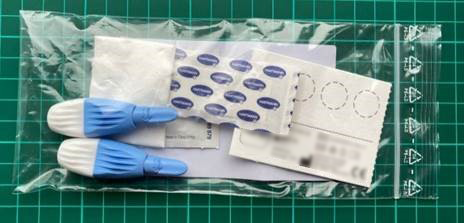
In this scenario, the client delivered master cartons containing 25 tests each, which needed to be repacked into smaller units for commercial retail sale. A single kit ultimately consisted of a test pouch, a buffer bottle, an alcohol swab, a lancet, a pipette, and an information leaflet.
- Skin lesion removal pens:
Another example of an assembly service involved labeling the pen, packing it together with a leaflet into a carton, printing on the unit carton, and packing them into intermediate display boxes for direct placement on pharmacy shelves.
- Promotional kits for dietary supplement manufacturers:
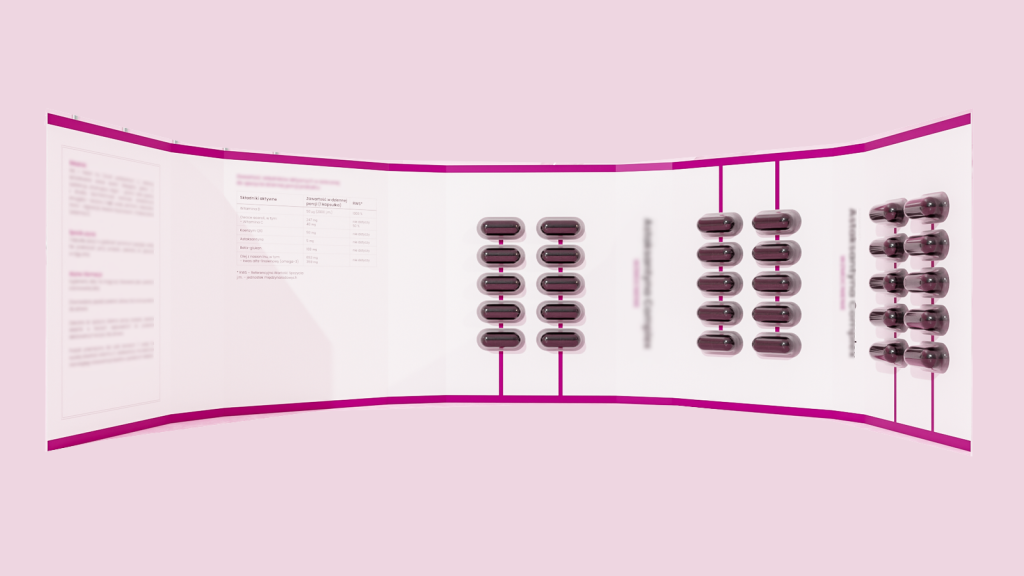
Our team can also handle custom, non-standard projects. One example involved packing dietary supplement blisters into promotional booklet-style packaging for a client. The task was highly time-consuming as the entire process was performed manually and required extreme precision. The kit was prepared for the manufacturer’s marketing campaign, and our job involved properly positioning the blister, securing it in the designated part of the packaging using hot-melt glue, closing the entire package, and securing it with a tamper-evident seal to protect against unauthorized opening.
Summary
As can be seen, the process of assembling medical products and devices can involve many different tasks, depending on the type of product and its complexity. Some of the most frequently performed tasks include:
- Labeling, packaging, and tamper sealing: Upon completion of product assembly, labeling, packaging according to specific requirements, and securing the package against unauthorized opening using a tamper-evident seal may be necessary.
- Quality control: At every stage of the assembly process, conducting quality control is essential to ensure that the product complies with specified regulatory requirements and quality standards.
- Documentation and reporting: The assembly of medical products and devices requires maintaining accurate documentation and reporting for each stage of the process to ensure complete traceability and regulatory compliance.
Read also...
See more posts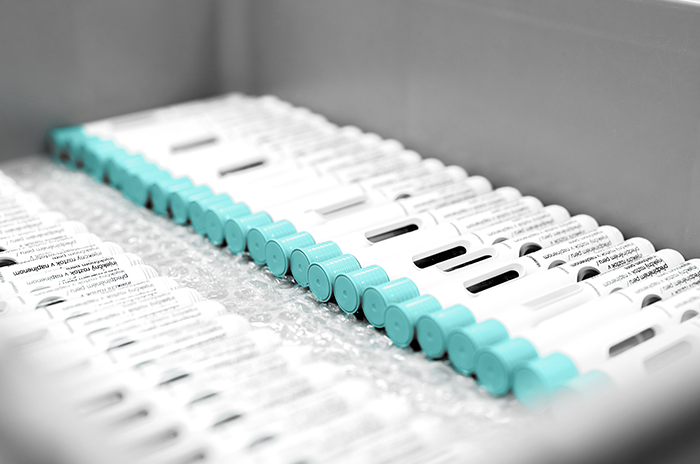
Late-stage customization
Serialization and aggregation in the pharmaceutical industry